
Cancer Services We Provide
Surgical Oncology
The Karnataka Cancer Hospital is equipped with modern, aseptic, and a fully furnished OPERATION THEATRES which will enable highly qualified surgical oncologists to perform all major and complicated surgical oncological procedures successfully.
Read More

Medical Oncology
Unit of Chemotherapy, Immunotherapy & Cell therapy
KARNATAKA CANCER HOSPITAL is equipped with all modern instruments to administer all kinds of chemotherapy.
Read More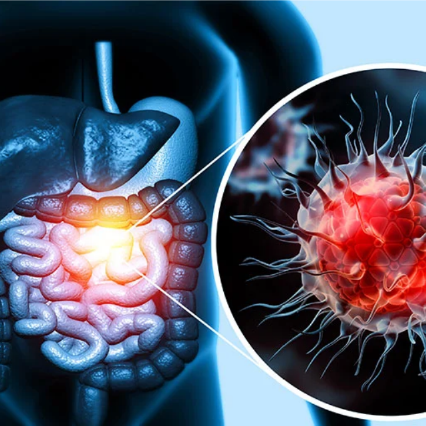
Radiotherapy
The department of Radiation Therapy is equipped with a brand new and state-of-the-art LINEAR ACCELERATOR - Siddarth Iconic plus II from Panacea Medical Technology, Bangalore.
Read More




Cancer Screening
Endoscopy
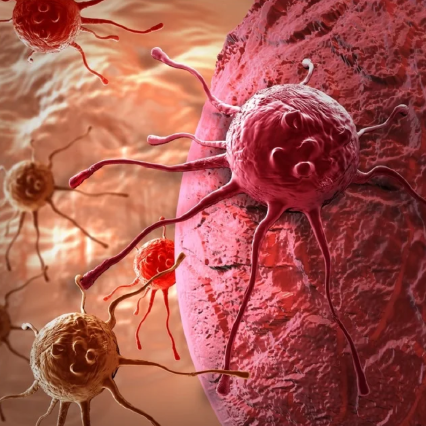
Our Interventional Therapy Centre is equipped to perform advanced endoscopic and minimally invasive procedures for diagnosis and treatment of complex conditions.
Read More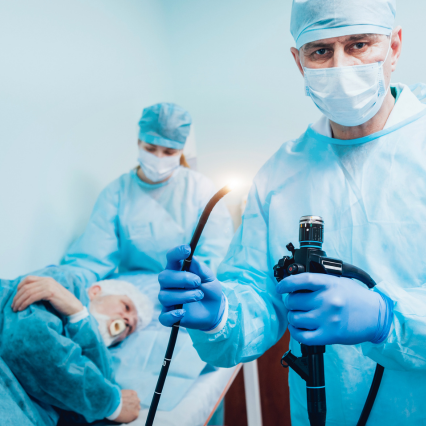
Palliative Care and Rehabilitation
Palliative care programs were initially started to palliate the symptoms of cancer and the side effects of cancer treatments. Palliative care is now being offered to many other patients with chronic illnesses but the majority of patients treated in palliative care programs nationwide are still cancer patients.
Read More
Cancer information
Cancer is term that encompasses a complex group of more than 100
different types of cancerous diseases. Cancer can affect just about
every organ in the human body. Many people are surprised to learn that
cancer can affect parts of the body like eyes and the heart.
Read More
Each type of cancer is unique with its own causes, symptoms, and
methods
of treatment. Like with all groups of disease, some types of cancer
are
more common than others. A-Z Index of Types of Cancer
How Does Cancer Develop? The organs in our body are made up of
cells.
Cells divide and multiply as the body needs them. When these cells
continue multiplying when the body doesn't need them, the result is
a
mass or growth, also called a tumor.
These growths are considered either benign or malignant. Benign is
considered non-cancerous and malignant is cancerous. Benign tumors
rarely are life threatening and do not spread to other parts of the
body. They can often be removed.
Malignant tumors, however, often invade nearby tissue and organs,
spreading the disease.
How Does Cancer Spread to Other Parts of the Body? The cells within
malignant tumors have the ability to invade neighboring tissues and
organs, thus spreading the disease. It is also possible for
cancerous
cells to break free from the tumor site and enter the bloodstream,
spreading the disease to other organs. This process of spreading is
called metastasis.
When cancer has metastasized and has affected other areas of the
body,
the disease is still referred to the organ of origination. For
example,
if cervical cancer spreads to the lungs, it is still called cervical
cancer, not lung cancer.
Although most cancers develop and spread this way -- via an organ -
blood cancer like leukemia do not. They affect the blood and the
organs
that form blood and then invade nearby tissues.
Cancer Symptoms Symptoms of cancer vary based on the type of cancer.
As
cancer progresses to an advanced stage, common symptoms can include
weight loss, fever, and fatigue. These are very non-specific
symptoms
that are more likely related to other less serious illnesses than
cancer.
Lung Cancer
Lung cancer is the leading cause of cancer death in all countries.
Tobacco in the form of smoke and or chewing is considered and proven a
cause and a risk factor in the development of lung cancer.
Read More
It presents as chronic and nagging cough associated with or without
hemoptysis i.e. coughing out blood or streaks of blood in the
sputum;
rarely it presents with no symptoms when detected accidentally when
a
chest radiograph(X-RAY) is taken for other indications.wieght loss
and
chest pain are also seen in advanced cases.
The success of the treatment depends on early diagnosis and prompt
treatment. The treatment consists usually of multimodality approach
including surgery, chemotherapy and radiotherapy in various
combinations.
Surgery is done in early cases. it usually is a minimally invasive
one
i.e. video assisted thoracoscopic thoracic surgery. here the
thoracic
cavity containing the tumorous lung is entered or accessed via small
incisions at different locations on the chest wall sufficient enough
to
pass instruments which are used to dissect and remove the lung .This
surgery is and should be done by trained and experienced surgeons
who
are well trained to do thoracic surgeries for the patients to get
maximum survival benefit.
Sometimes a minor surgery to place a tube into the chest wall is
performed. This is for those patients who have substantial amount of
fluid accumulation in their chest wall cavity. The tube will drain
the
fluid temporarily for few days to months.
Chemotherapy is reserved for those with advanced or locally advanced
disease and is administrerde alone or with radiotherapy.
Oral Cancer
1. White and Red Patches in the Mouth or Lips :
A white or red patch (or combination of the two) inside the mouth or the
lips are the most commonly experienced symptom of oral cancer. In the
early stages, these white and red patches are warnings of abnormal
cells, a pre-malignant condition. If left untreated, they can become
cancerous.
Read More
2. A Sore or Blister in Your Mouth :
A sore or blister in the mouth or on the lip that won't heal is a
symptom of oral cancer. Sores that last longer than 2 weeks warrant
a
trip to the doctor.
3. Difficulty Swallowing :
This symptom can include difficulty chewing, moving the jaw,
speaking,
or moving the tongue. This is a non-specific symptom of oral cancer
and
can be caused by many other conditions.
4. Earaches :
Frequent or persistent earaches need to be evaluated by a physician.
An
earache is usually indicative of an infection. However, in some
cases,
it can be related to oral cancer.
5. Change in the Way Teeth Fit Together :
This can include dentures not fitting correctly. Oral cancer can
also
cause loose teeth.
6. Bleeding from the Mouth:
Report any oral bleeding to your dentist and doctor. Bleeding from
the
mouth can be caused by many things, but it is still a symptom of
oral
cancer and needs to be checked out.
Cervical Cancers
Cervix is the part, which lies below the uterus. It connects the body of the uterus to the vagina. The place where these two parts meet is called transformation zone. Usually, in this zone some of the cells become cancerous and multiply abnormally without a known cause and spread deep into the cervix and other organs leading to cervical cancer
Read More
It is the third most commonly occurring cancer in women. The onset of the disease is usually above the age of 40 years. The disease can be easily detected through cytological studies called Pap smear.
Cervical cancer usually begins from the precancerous stages and takes several years to develop into cancer. If detected in this early stage, cervical cancer can be cured completely.
Signs and symptoms of cervical
cancer
The cervical cancer tumor grows by extending upward to the
endometrial
cavity and downward
to the vagina and laterally to the pelvic walls. The tumor can also
extend to the bladder
and rectum directly.
Diagnosis of cervical cancer
Diagnosis of cervical cancer is based on symptoms observed. A Pap
smear
test is the usual
screening test done to detect the presence of cancer cells in the
cervix. If cervical cancer
is suspected, the physician may suggest few diagnostic tests to
confirm
like:
Colposcopy and cervical biopsy — This is done for the detection of cancer causing cells on the surface of the cervix.
Endocervical biopsy — For the detection of abnormal cells on the cervical canal.
Cone biopsy or loop electrosurgical excision procedure — A sample of cervical tissue is removed for microbiological examination.
Colposcopy and cervical biopsy are also recommended for pregnant women to confirm cervical cancer.
Following are some of the tests to know the stage of cervical cancer.
Following are some of the tests to know the stage of cervical cancer.
- Cone biopsy or loop electrosurgical excision procedure is useful in determining the spread of cancer in the cervical tissue.
- Cystoscopy, to know the spread of cancer to the urinary system.
- Proctoscopy, to know the metastasis of the disease to the colon.
- Intravenous pyelogram, to check the blockage of the kidneys.
- Chest X-ray, to detect the spread of the disease.
- After confirming the disease and knowing the stage of the disease condition, the following tests help in suggesting the treatment required.
- Complete blood count to check for anemia.
- Chemistry screen done to measure certain electrolytes, urea, albumin etc., which are essential for the functioning of the kidneys.
- Computed tomography (CT) scan of the abdomen and pelvis taken to check the metastasis of the disease to the liver, lymph nodes and other organs.
- Magnetic resonance imaging (MRI) of the abdomen and pelvis suggested depending on the spread of the disease.
- Positron emission tomography (PET) may be required to know to which organs the cancer has spread.
Treatment of Cervical Cancer
Based on the diagnosis and stage of the cancer, the physician may suggest a single therapy or combination of therapies. If cervical cancer is detected in the early stages, there are different surgical methods to cure it without removing the uterus or damaging the cervix like:
Loop electro-surgical excision procedure — This surgical procedure uses electricity to remove the cancer cells.
Cryotherapy — This technique involves freezing the cancer cells.
Laser therapy — Here, high frequency light is used to destroy the cancer cells.
If the cervical cancer has progressed in an advanced stage, then following methods can be opted.
Surgery : Hysterectomy is done to remove the uterus and the cervix. If the disease condition is in an advanced stage, then radical hysterectomy can be considered. Radical hysterectomy removes the uterus and the surrounding tissues including the internal lymph nodes and the upper part of the vagina. In most severe conditions, pelvic exenteration is considered where the organs of the pelvic including the bladder and the rectum are removed.
Surgery : Hysterectomy is done to remove the uterus and the cervix. If the disease condition is in an advanced stage, then radical hysterectomy can be considered. Radical hysterectomy removes the uterus and the surrounding tissues including the internal lymph nodes and the upper part of the vagina. In most severe conditions, pelvic exenteration is considered where the organs of the pelvic including the bladder and the rectum are removed.
Chemotherapy : In this therapy, drugs are used to kill the cancer cells. Some of the chemotherapic drugs used are, 5-FU, Cisplatin, Carboplatin, Ifosfamide, Paclitaxel, and Cyclophosphamide.
Side effects of treatment:
Treatments used to cure cervical cancer cause side-effects and this
depends on the type of
treatment considered, age and overall health.Side-effects of surgery
depend upon the stage
of the cancer and the type of surgery.
Side-effects of radiation therapy include
:
- Fatigue
- Skin irritation
- Changes in bowel and urinary habits.
- Loss of appetite
- Nausea
- Vomiting
- Mouth scores
- Diarrhea
- Hair loss
To prevent recurrence of the disease condition, frequent follow-up test like CT scan of abdomen and pelvic may be suggested.
Prevention of cervical cancer : Early diagnosis helps in complete curing and managing. Cervical cancer sometimes cannot be prevented if the risk factors are high. The condition can be prevented or managed in the early stages by the following:
- Pap smear tests done at regular intervals if the physician suspects the presence of abnormal cells. Frequent pelvic examinations.
- Smoking cessation has been advised, as smoking is one of the major risk factors.
- Studies have shown that the vaccine Gardasil is a very effective against cervical cancer and genital warts
- Safety measures to be taken to prevent sexually transmitted diseases like HPV infection.
- Women should limit their sexual partners.
- Leading a healthy lifestyle with healthy habits.
Stomach Cancer
What You Need to Know About Stomach Cancer Symptoms :
- Stomach cancer often does not have symptoms in the early stages, or they can be vague and non-specific -- such as nausea or weight loss .
- Also, there is no single symptom that exactly pinpoints stomach cancer; therefore, further evaluation and testing is required for a diagnosis.
- Symptoms vary and depend on how advanced the disease and what type of gastric cancer they have. If you are experiencing the symptoms of stomach cancer, please see your doctor. With most diseases, a timely diagnosis leads to a better treatment outcome.
Read More
1. Blood in the Stool:
- Blood in the stool is a symptom of stomach cancer. Seeing blood after wiping with toilet tissue, in the toilet, or on stools can be alarming,
- but is no cause for panic. Blood in the stool can be common with less serious conditions, such as hemorrhoids and anal fissures.
- Blood in the stool is not always visible to the eye. Your stool can contain trace amounts of blood that only a test, such as the fecal occult blood test, can reveal.
- This stomach cancer symptom can also be related to other types of cancer, such as colon cancer.
2. Abdominal Pain and Discomfort:
- Abdominal pain is one of the most common stomach cancer symptoms and is usually what prompts people to seek medical attention.
- Abdominal pain can range from persistent mild discomfort to severe pain.
- Pain and discomfort generally occurs in the upper abdomen area. Persistent abdominal pain, regardless of where it occurs, needs to be evaluated by your doctor.
- Other types of cancers that can cause abdominal pain include pancreatic cancer, liver cancer, bile duct and gallbladder cancer.
3. Peristent Nausea and/or Vomiting :
Nausea and vomiting are very non-specific symptoms that can be common among people with stomach cancer. Persistent nausea and/or vomiting needs to be checked by your doctor. It can indicate a serious health problem, and can cause damage to the lining of your esophagus. If you are vomiting blood, it is important to see your doctor right away.
4. Loss of Appetite:
Not feeling like eating for a day or two can be normal, but anything longer should really be reported to your doctor. Again, loss of appetite is a very vague symptom and is related to many health conditions, not just stomach cancer..
5. Abdominal Bloating:
Abdominal bloating is may also occur with stomach cancer, especially after meals. Indigestion and heartburn are also symptoms related to stomach cancer.
6. Changes in Bowel Habits:
Changes in bowel habits related to stomach cancer include constipation and/or diarrhea. This is a very non-specific symptom of stomach cancer, meaning it is not exclusive to the disease. Many other less serious conditions can cause constipation and diarrhea.
7. Feeling Excessively Tired:
Fatigue that lasts more than a few days can indicate a medical problem. With stomach cancer, fatigue is often related to anemia due to blood loss in the stool or from vomiting.
8. Losing Weight Without Trying :
Most of us would WELCOME TO KARNATAKA CANCER HOSPITAL weight loss without dieting, but it really is a health concern that needs to be brought to your doctor's attention. If you have lost about 5 percent of your normal body weight in the course of six months or less, and haven't been dieting or exercising, call your doctor. Unintentional weight loss can be the result of many conditions, including cancer.
Breast Cancer
Breast cancer is one of the commonest cancers in females and in non smoking females is probably the commonest variety of cancers.
It is now the second commonest cancer in females in India.
Read More
Although common it is usually detected at a late stage because of the lack of screening procedure in India.
Breast cancers can be diagnosed early and treated effectively and cured. For such a scenario to happen it is mandatory that the screening protocols are strictly adhered to and the general population should be made aware of the benefits and costs of various screening tools which are available at present. And also it is important that the general female population should participate in screening programme with enthusiasm and self interest.
Breast Cancer prevention, facts & treatment
“Women are a perfect blend of care, courage, concern, sympathy and love…it is these fine qualities in a woman that make this place a better place to live for all of us”
Women play a critical role and taken upon themselves the responsibility of the well being of their home, their workplaces and the society. It is therefore our responsibility to take care of their well being.
Breast diseases are today a leading cause of death in women. Breast cancer especially when diagnosed on time, is completely treatable and with today’s technology not a single woman should die of breast cancer. Breast cancer is not just curable without any sequelae. we are running an exclusive breast cancer clinic at our associated hospitals in the name of “BREAST CLINIC” .
The objective of Breast Clinic is to provide an integrated service staffed by a dedicated multi-disciplinary team specializing in the assessment, diagnosis and treatment of all benign and malignant breast diseases.
It offers comprehensive diagnostic and treatment options for patients who experience breast changes or problems. A multi disciplinary group of care providers work together to meet the needs of each patient. Services include evaluation of breast abnormalities, breast cancer prevention, screening, diagnostic testing, patient education and comprehensive treatment options.
The expertise of our Specialist Breast Care Team enables us to provide care to breast patients at all stages – from screening through surgery, to radiotherapy and chemotherapy.
Management of breast problems includes:
Progressive options in screening and diagnostic services, including mammography, ultrasound and more.
Comprehensive care provided by a team of professionals from various speciality areas.
Innovative treatment strategies and supportive care to make treatment as effective and comfortable as possible.
Prevention and counselling for high risk patients.
Consultation and second opinions.
Up-to-date educational programs for health care professionals, patients and families.
Breast imaging procedures
Mammography: A low dose of x-ray examination of the breast using specialised equipment. It is provided for those women complaining of symptoms or for screening purposes, including those with a family history of breast cancer or taking hormone replacement.
Breast Ultrasound : A painless method of scanning the breast to help differentiate solid cyclic lesions. It is particularly appropriate in patients under 35 and to further investigate abnormalities discovered on mammography or clinical examination.
Cytology : An investigation where a fine needle is inserted and a sample taken from the breast under imaging control, if necessary, so that cells can be examined under ultrasound or x-ray guidance, suing computerised stereotactic control.
The doctor might be able to tell you what he or she expects your problem is in the clinic and will want o wait for the result of the tests before giving you your diagnosis.
Oncology and Radiotherapy:
Some patients may need further treatment following surgery for cancer. This is decided when all the results of the specimens taken at operation have been fully analyzed. There are several types of treatments available all of which will be discussed with the patient. The treatment chosen will be most appropriate to prevent recurrence.
Information Available for patients regarding various breast problems, including investigations, diagnostic procedures and treatments.
Please write down any questions that you think of at home so you can ask your doctor when you see him/her.
Facts About Breast Cancer
Breast cancer is one of the cancers affecting a large number of women. The causes of Breast cancer are not fully known. Simply being a woman and growing older put you at risk.
However, there are certain known risk factors which are in your control.
Factors you can change :
- Being overweight or gaining excessive weight as an adult.
- Not getting regular exercise.
- Not having been pregnant puts you at higher risk.
- Eating a diet high in fat.
- Breast feeding offers protection against malignancy.
- Smoking.
- Not drinking more than on alcoholic drink per day.
- Having several risk factors to breast cancer only means that your chances of getting the disease are higher than women who have fewer risk factors.
Warning signs of Breast Cancer :
- Finding a lump or change in your breast doesn’t necessarily mean you have breast cancer. Breast cancer can be prevented by identifying changes in the breast at an early stage, If you find any of the following symptoms in your breast, you should see an oncologist.
- Hard Lumps, thickening in any part of the breast.
- Unusual swelling, redness or increased warmth of your breast.
- Lump in same side arm pit.
- Change in the size or shape of your breast.
- Dimpling or puckering of the skin your breast.
- Itchy, sore or scaling area on the nipple.
- Pulling in of your nipple or other parts of your breast.
- Nipple discharge.
Detection And Prevention Of Breast Cancer :
-
The following can aid you in identifying breast cancer at an early
stage :
- Monthly breast self examination starting at an age of 20.
- Clinical breast examination by a trained medical professional every 3 years staring at an age of 20 an d annually after 40.
- Annual mammography screening starting at an age of 40.
- Women under 40 with either a family history of breast cancer or other concerns about personal risk should consult with a trained medical professional about risk assessment and when to begin mammography.
Self examination How to conduct a routine self examination for Breast Cancer
Examine your breasts in a mirror. Has there been any change in size? Has one nipple become turned in? Any sign of discharge? Is there any puckering, dimpling or change in skin texture?
Raise hands above your head and examine breasts leading to armpit. Any swelling or skin puckering? Lower and raise your arms while watching your nipples. Do they move the same distance?
Lying down, start with left breast using right hand. Use the flat of your hands to feel for any lumps, thick or bumpy area. Press firmly and feel the entire breast and lastly arm pit also.
Repeat the whole examination on right breast. If you detect anything, consult.
Breast Surgery
Breast surgery is performed for a variety of reasons, and is becoming more common every year. The reasons for having breast surgery vary widely, ranging from life-saving cancer surgeries to cosmetic procedures to enhance the appearance of breasts.
Most breast surgeries are performed under general anesthesia. While most cosmetic procedures are outpatient procedures, a mastectomy and some lumpectomy procedures typically require an overnight stay in the hospital. It is important to remember that every operation, even if it is a cosmetic procedure, does have risks and should be taken seriously. The risks of surgery vary from patient to patient, but no procedure is without risk.
Don't Forget
Eat a nutritious, well- balanced diet.
Take your medications as you were instructed.
Call your doctor for any fever, increase in bleeding or ion pain.
Pancreatic Cancer
Overview
Pancreas cancer is considered as ‘orphan’ cancer because of its relative
low incidence.
Owing to the high fatality rates, pancreatic cancer incidence rates are
almost equal to
mortality rates. Worldwide, over 200,000 people die annually of
pancreatic cancer.
Read More
The highest incidence and mortality rates of pancreatic cancer are found in developed countries. In USA, and Europe pancreatic cancer is the 4th and 6th leading cause of cancer death, respectively.
Pancreatic cancer is diagnosed late in the natural history of the disease, given the few early indicators of illness, and the lack of screening tests for this disease. While rates have been stabilizing over the past two decades in many countries, where they are already high, and they continue to increase in countries where the rates were relatively low four decades ago, such as Japan.
Causes and Risk Factors of pancreatic cancer
Some of the causes and risk factors for the development of pancreatic cancer are enumerated below :
- Jaundice.
- Nausea.
- Weight-loss.
- Sleeping disorders.
- Diarrhea.
- Pale stools.
Diagnosis of pancreatic cancer : In case pancreatic cancer is suspected, one or more of the following tests may be advised to confirm the diagnosis.
Computed tomography (CT) scan: In this, the computer puts a series of X-rays together to create pictures of the pancreas and other organs and blood vessels in the abdomen.
Ultrasonography : The ultrasound procedure may use an external or internal device, or both types.
Transabdominal ultrasound : The ultrasound device is placed on the abdomen and slowly moved around.
Endoscopic ultrasound (EUS) : An endoscope is passed through the patient’s mouth and stomach, down into the first part of the small intestine. At the tip of the endoscope is an ultrasound device.
Endoscopic retrograde cholangiopancreatography (ERCP): An endoscope is passed into the first part of the small intestine. A smaller tube (catheter) is passed through the endoscope into the bile ducts and pancreatic ducts and dye is injected through this. Then, X-ray pictures are taken, which can show whether the ducts are narrowed or blocked by a tumor or other condition.
Percutaneous transhepatic cholangiography (PTC) : A dye is injected through a thin needle inserted through the skin into the liver. Unless there is a blockage, the dye should move freely through the bile ducts. The dye makes the bile ducts show up on X-ray pictures.
Biopsy : In some cases, a piece of tissue is removed and examined.
Treatment of pancreatic cancer
Treatment for pancreatic cancer depends on the stage and location of
the cancer as well as
the person’s age, overall health and personal preferences. The
primary goal of treatment is
to eliminate the cancer. When that is not possible, the focus may be
on preventing the
pancreatic cancer from growing or causing more harms. When
pancreatic cancer is advanced and
treatments are not likely to offer a benefit, symptomatic treatment
is given to make the
person as comfortable as possible.
Surgery
Only a small portion of pancreatic cancers has a good chance of
being removed completely
with surgery. Once the cancer has spread beyond the pancreas to
other organs, lymph nodes or
blood vessels, surgery is usually no longer an option. The different
surgeries that may be
recommended are:
Surgery for tumors in the pancreatic head: If the cancer is located in the head of the pancreas, an operation called a Whipple procedure is done (pancreatoduodenectomy), where the head of the pancreas, as well as a portion of small intestine (duodenum), gallbladder and part of the bile duct are removed. Part of the stomach may also be removed. Then, the remaining parts of the pancreas, stomach and intestines are reconnected to allow digestion of food.
Surgery for tumors in the pancreatic tail and body: Surgery to remove the tail of the pancreas or the tail and a small portion of the body is called distal pancreatectomy. The spleen also may be removed. Surgery carries a risk of bleeding and infection.
Radiation Therapy
Radiation therapy uses high-energy beams to destroy cancer cells.
Radiation treatment is
given before or after cancer surgery, often in combination with
chemotherapy. Radiation
therapy can also be used during surgery (intraoperative radiation).
Radiation could be given
in two ways:
Radiation Therapy
Radiation therapy uses high-energy beams to destroy cancer cells.
Radiation treatment is
given before or after cancer surgery, often in combination with
chemotherapy. Radiation
therapy can also be used during surgery (intraoperative radiation).
Radiation could be given
in two ways:
External beam radiation : When the radiation machine is placed outside the body
Brachytherapy : When the machine is placed inside the body near the cancer Combination of radiation and chemotherapy treatments can also be given when the cancer cannot be treated surgically.
Chemotherapy
Chemotherapy uses drugs to help kill cancer cells. In chemotherapy, drug(s) can be injected into a vein or taken orally. A chemotherapy drug or a combination of drugs can be given.
Chemotherapy can also be combined with radiation therapy (chemoradiation). Chemoradiation is typically used to treat cancer that has spread beyond the pancreas, but only to nearby organs and not to distant regions of the body. This combination may also be used after surgery to reduce the risk that pancreatic cancer may recur.
In patients with advanced pancreatic cancer, chemotherapy may be combined with targeted drug therapy.
Targeted Drug Therapy
Targeted drug therapy is an emerging area of cancer treatment. Targeted drugs attack specific abnormalities within cancer cells. The targeted drug erlotinib blocks chemicals that signal cancer cells to grow and divide. Erlotinib is usually combined with chemotherapy for use in people with advanced pancreatic cancer.
Many other targeted drug treatments are under investigation in clinical trials. One such drug being studied is cetuximab, which targets the same signals as erlotinib but goes about it a different way.
Read More