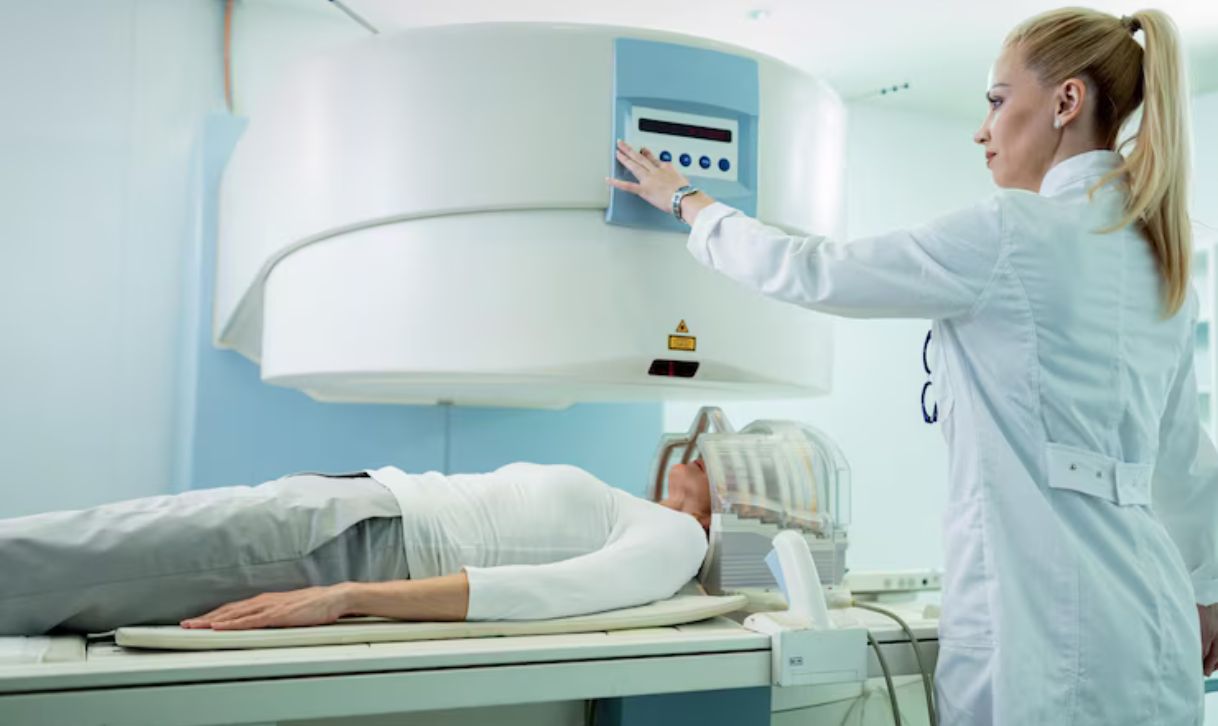
Radiation Therapy in Bangalore – Expert Care at Karnataka Cancer Hospital
When it comes to Radiation Therapy in Bangalore, Karnataka Cancer Hospital (KCH) is a leading destination for comprehensive cancer care. We understand that cancer patients often face anxiety and uncertainty regarding radiation therapy—concerns about the effectiveness of the treatment, its potential side effects, and the financial burden it may cause. At KCH, we prioritise addressing these pain points. Our expert team, which includes board-certified radiation oncologists, utilises state-of-the-art technology to deliver precise, targeted treatments that minimise side effects. Moreover, we offer flexible financial assistance and insurance support to ensure that every patient can receive the best care without financial strain. With KCH, you can feel confident that you're receiving top-tier cancer care in a compassionate and supportive environment.
What is Radiation Therapy?
Radiation Therapy is a medical treatment that uses high-energy radiation to target and kill cancer cells. It can be used alone or alongside other treatments like chemotherapy and surgery.
Radiation therapy works by damaging the DNA within cells, preventing them from growing and dividing. While it is most commonly used to treat cancers, it can also be used to shrink tumours before surgery or to provide palliative care to reduce symptoms of cancer.
How Radiation Therapy Works to Treat Cancer
Radiation therapy works by precisely targeting tumour cells with radiation beams, which are aimed at the cancerous tissue. The goal is to destroy or shrink the tumour without causing significant damage to the surrounding healthy tissue. Advanced imaging techniques, such as 3D-conformal radiation therapy (3D-CRT) and image-guided radiation therapy (IGRT), ensure that radiation is directed precisely at the tumour, increasing the effectiveness of the treatment.
Why Choose Karnataka Cancer Hospital for Radiation Therapy?
At Karnataka Cancer Hospital, we take pride in offering advanced and comprehensive radiation therapy services. Here's why KCH is the preferred choice for cancer patients in Bangalore:
Expert-Led Team
Led by highly experienced radiation oncologists, including specialists with years of experience in cancer treatment, our team ensures personalised and precise care for every patient. The hospital is also supported by oncologists, reconstructive surgeons, anaesthetists, and other specialists for integrated cancer care.
State-of-the-Art Technology
KCH utilises the latest advancements in radiation therapy, including 3D imaging, intensity-modulated radiation therapy (IMRT), and robotic-assisted treatment options. This allows for highly targeted treatment, reducing side effects and improving outcomes.
Personalised Care
At KCH, we focus on the individual needs of each patient, from diagnosis and treatment planning to recovery and rehabilitation. Our patient care is holistic, ensuring both medical and emotional support.
Affordable Treatment Options
We offer flexible payment options, including EMIs and insurance support, so you can access world-class cancer treatment without financial strain.
Types of Radiation Therapy We Offer
Karnataka Cancer Hospital offers several advanced radiation therapy options based on the type of cancer and patient needs:
3D Conformal Radiation Therapy (3D-CRT)
- What it is: A technique that uses 3D imaging to precisely shape radiation beams around the tumour.
- How it targets tumours while sparing healthy tissue: The technique reduces radiation exposure to surrounding healthy tissues, ensuring more effective treatment with fewer side effects.
- Conditions treated using 3D-CRT: This therapy is used to treat cancers of the brain, prostate, lung, and head and neck.
Intensity-Modulated Radiation Therapy (IMRT)
- Overview of IMRT: IMRT allows for radiation to be delivered at varying intensities to maximise tumour targeting while minimising exposure to healthy tissues.
- Benefits: Offers high precision and fewer side effects, particularly beneficial for tumours near critical structures like the spinal cord or eyes.
- Suitable cancers for IMRT: Often used for treating head and neck cancers, prostate cancer, and breast cancer.
Volumetric Modulated Arc Therapy (VMAT)
- Introduction to VMAT: This advanced technique delivers radiation in a single continuous arc, allowing for faster and more efficient treatment.
- Faster treatment delivery: VMAT reduces the time patients spend in treatment while maintaining high precision.
- Accurate tumour coverage: Ensures optimal radiation delivery to the tumour while protecting surrounding healthy tissues.
Image-Guided Radiation Therapy (IGRT)
- Importance of image guidance: IGRT uses daily imaging to ensure that the radiation beams are accurately targeting the tumour.
- Daily imaging for accurate targeting: This helps adjust for any changes in tumour position or patient movement during treatment.
- Reducing risks to surrounding tissue: By using real-time imaging, IGRT minimises the risk of radiation affecting healthy tissues, improving overall treatment outcomes.
Who Can Benefit from Radiation Therapy?
Radiation therapy is effective for treating various types of cancer, including:
- Types of cancers treated: Breast cancer, lung cancer, prostate cancer, brain tumours, head and neck cancers, and more.
- Eligibility criteria: Radiation therapy is suitable for many patients depending on the type, size, and location of the tumour. KCH’s radiation oncologists assess each patient’s condition to determine the best treatment approach.
- Outpatient or inpatient options: Radiation therapy is generally an outpatient procedure, but inpatient treatment may be required depending on the complexity of the condition.
What to Expect During Your Treatment
When you come to KCH for radiation therapy, here’s what you can expect:
Consultation and Planning
Your journey begins with an initial consultation with our radiation oncologists, where we discuss your diagnosis and create a personalised treatment plan tailored to your needs.
Simulation and Imaging
Before starting treatment, our team uses advanced imaging techniques to map the tumour and plan the radiation therapy. This ensures that the radiation beams are precisely aimed at the cancerous area.
Session Frequency and Duration
Radiation therapy typically requires daily sessions (Monday to Friday), lasting 15-30 minutes each, depending on the type of therapy being used.
Benefits of Choosing Our Radiation Oncology Department
- Follow-Up Care: After the treatment, our team will schedule follow-up appointments to monitor your recovery and manage any side effects.
- Patient-Centered Care: At KCH, we focus on compassionate, personalised care throughout the treatment process.
- Shorter Recovery Time: Advanced techniques like IMRT and VMAT reduce treatment times and help in quicker recovery.
- Personalised Treatment Plans: Each plan is designed specifically to address your condition and maximise treatment success.
Cost of Radiation Therapy in Bangalore
The cost of radiation therapy at Karnataka Cancer Hospital varies based on the type of treatment and the specific needs of the patient. Here is a general estimate:
| Treatment Type | Estimated Cost (INR) |
|---|---|
| 3D Conformal Radiation Therapy (3D-CRT) | Rs. 1,50,000 – 2,50,000 |
| Intensity-Modulated Radiation Therapy (IMRT) | Rs. 2,00,000 – 3,00,000 |
| Volumetric Modulated Arc Therapy (VMAT) | Rs. 2,50,000 – 4,00,000 |
| Image-Guided Radiation Therapy (IGRT) | Rs. 1,80,000 – 2,80,000 |
Note: Prices may vary depending on individual cases, and additional charges may apply for extended hospital stays or specific needs.
People Also Ask (FAQs)
Radiation therapy itself is generally not painful, though some patients may experience side effects like fatigue or skin irritation.
Common side effects include fatigue, skin changes, and hair loss in the treatment area. These side effects are typically temporary and can be managed by our healthcare team.
Yes, radiation therapy is often combined with chemotherapy to enhance treatment effectiveness, particularly for certain cancers.
Each session lasts about 15-30 minutes. The total duration of treatment depends on the type of therapy and the number of sessions required.