Bladder cancer is a life-altering and life-threatening illness, and most of the patients are plagued with confusion, fear, and uncertainty when diagnosed. Bladder cancer accounts for around 3% of all Indian cancers, and thousands of new cases occur each year—mainly in men above the age of 60 years. Prognostic information regarding phases of bladder cancer treatment modalities enables the patients and the caregivers to make a decision following an informed choice. Specialist oncologists in Karnataka Cancer Hospital provide distinct, customized treatment based on the patient's presentation and the extent of cancer for achieving the most preferable outcome in an empathetic evidence-based therapy.
Bladder cancer most frequently begins in the urothelial cells lining the inside of the bladder. Its course may be quite varied—some tumors grow slowly and remain localized to the lining, while others are more aggressive and may spread to adjacent organs and lymph nodes.
Early detection is important. Common symptoms of bladder cancer are:
• Blood in the urine (hematuria)
• Frequent urination
• Painful urination (dysuria)
• Need to urinate even if the bladder is not full
• Lower back pain (especially on one side)
If you have any of these symptoms, it is well worth taking the advice of a medical professional. Early-stage diagnosis guarantees a far greater percentage of successful of bladder cancer treatment
While the reason for bladder cancer is not always clear, there are several risk factors that may lead to its development:
• Smoking: Most important risk factor; poisonous chemicals from tobacco accumulate in the urine and damage the lining of the bladder.
• Chemical exposure: Prolonged exposure to chemicals of industries used in the manufacture of dyes, rubber, leather, and paints.
• Chronic bladder inflammation: Recurrent infections or long-term use of urinary catheters.
• Age and gender: More common in people over the age of 55 and men are more likely to be affected.
• Family history: A genetic tendency can increase risk.
Awareness of these risks can help in prevention and early detection strategies.
It is important to accurately identify the stages of bladder cancer in order to select treatment options for bladder cancer:
• Stage 0: Cancer confined to the bladder lining and non-invasive.
• Stage I: Cancer has infiltrated the connective tissue.
• Stage II: Tumour involves the bladder muscle.
• Stage III: Cancer extends to adjacent tissue outside the bladder.
• Stage IV: Advanced bladder cancer, possibly involving lymph nodes and distant organs.
Every phase call for a distinct treatment strategy, which can be surgery, drugs, or combination therapy.
Individualized bladder cancer treatment is given to patients at Karnataka Cancer Hospital. These include:
1. Surgery
• TURBT (Transurethral Resection of Bladder Tumor) in the initial stages.
• Cystectomy (partial or radical) in invasive stages.
• Neobladder Reconstruction is a recreation of bladder from patients own intestines to mimic the function of the native bladder.
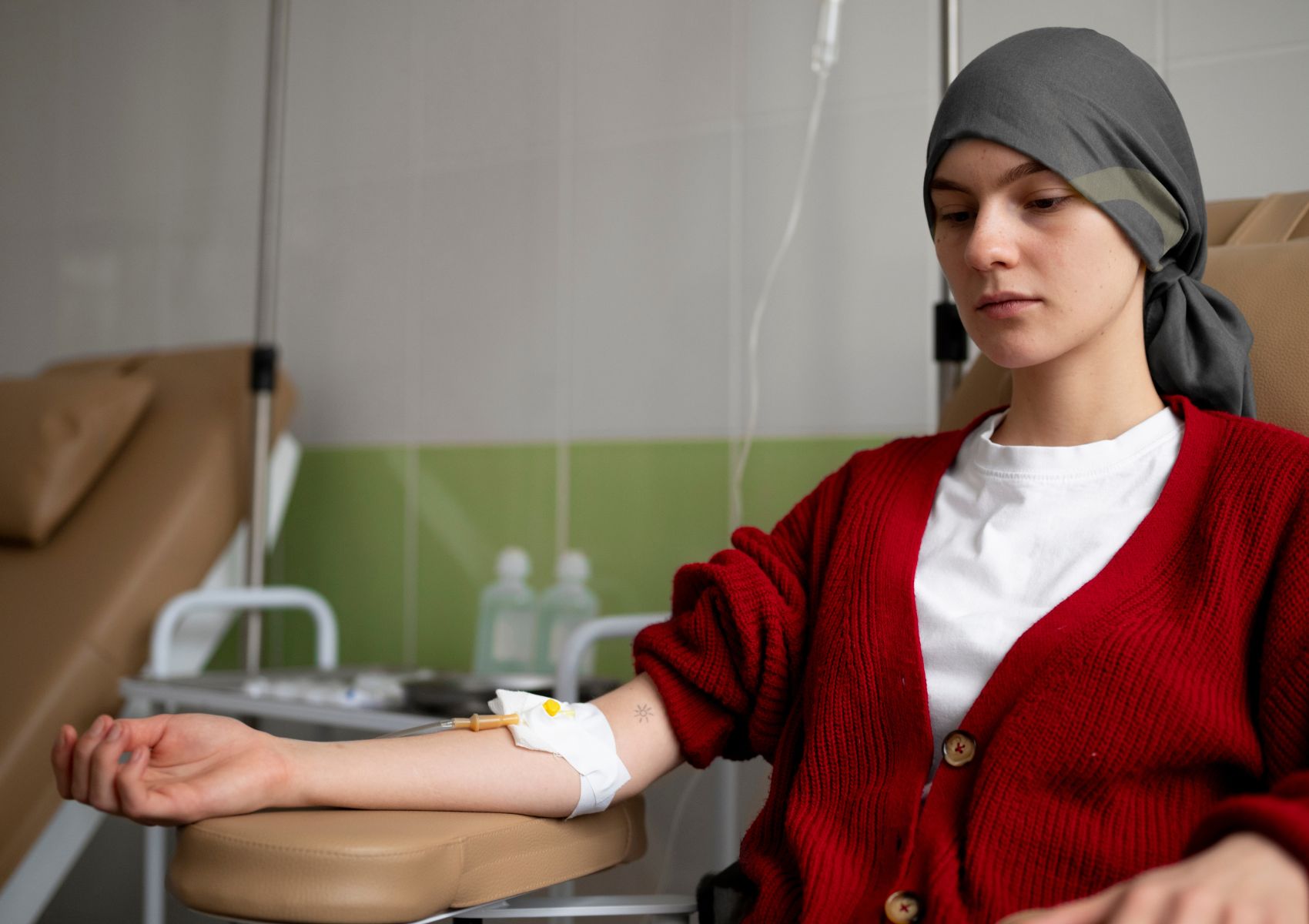
2. Bladder Cancer Chemotherapy
Chemotherapy for bladder cancer is administered:
• Before surgery (neoadjuvant) to shrink tumors
• After surgery (adjuvant) to kill remaining cells
• As the main treatment for extensive bladder cancer treatment
3. Radiation Therapy for Bladder Cancer
Radiation therapy for bladder cancer is most commonly combined with chemotherapy or used as initial treatment when surgery cannot be done.
4. Immunotherapy & Targeted Therapy
More recent therapies like immune checkpoint inhibitors help the body's own immune system recognize and destroy cancer cells. These are most useful in the treatment of advanced bladder cancer.
• Oncology Team highly skilled and trained with specialized experience in the treatment of bladder cancer
• State-of-the-art diagnostic and surgery equipment
• Tailored care plans to suit every patient's condition and lifestyle
• Multidisciplinary care with urologists, oncologists, radiologists, and support staff
Bladder cancer can throw a multitude of challenges at a patient, but they don't have to be faced alone. One can recover if intervention is made on time, coupled with the best of medical treatment and with palliative care. Whether you are looking for early screening of bladder cancer or bladder cancer treatment or even metastatic bladder cancer treatment, Karnataka Cancer Hospital will assist you through all of it.
Contact Karnataka Cancer Hospital to make an appointment or find out more about bladder cancer treatment.