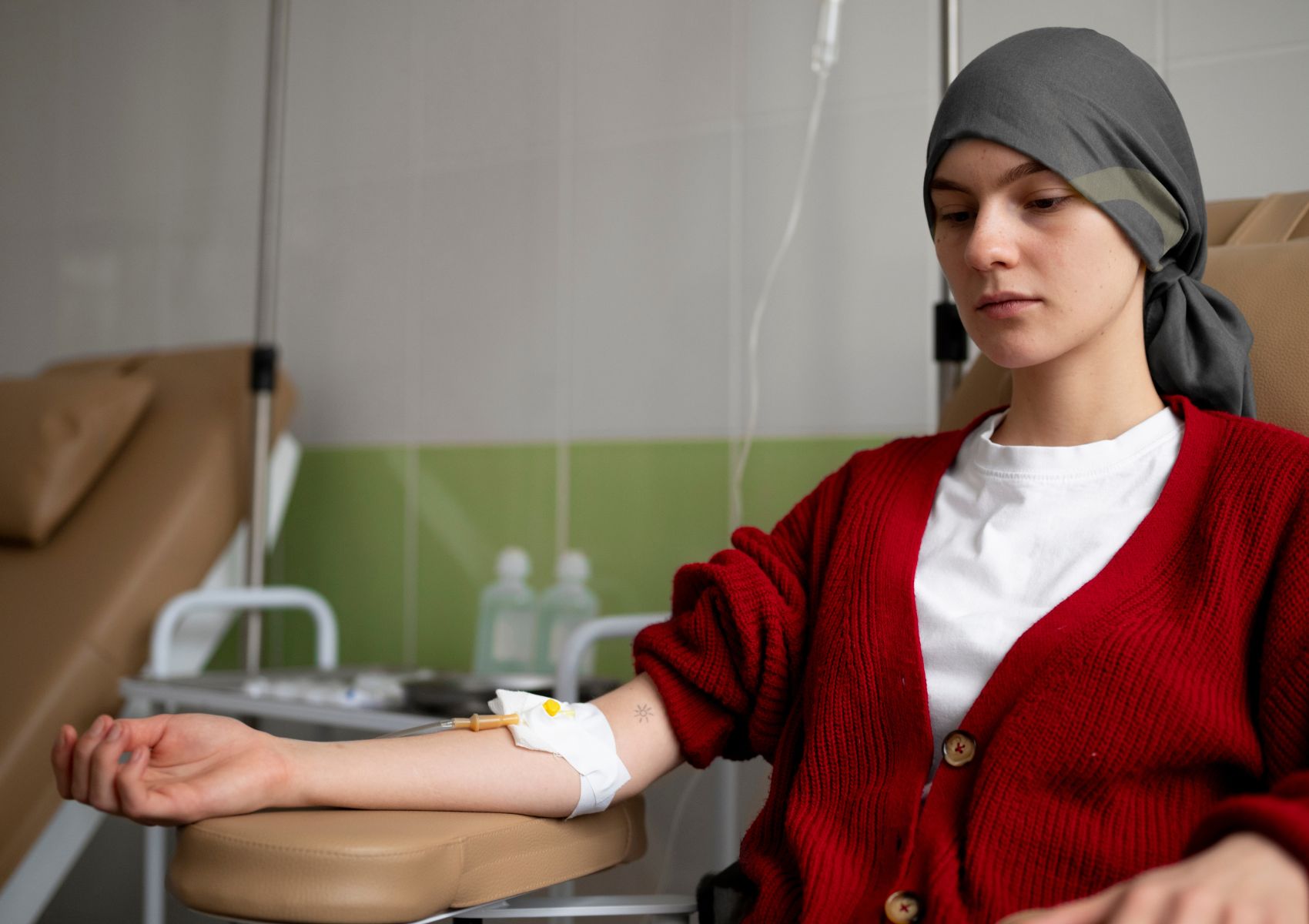
Did you know that difficulty or painful mouth opening can be an early sign of oral cancer? Oral cancer is one of the most common types of cancer worldwide, with over 350,000 new cases diagnosed annually. In India alone, 30% of all cancers are oral cancers, making it a significant health concern. Understanding the head, neck, and oral cancer risk factors is crucial for early detection and prevention. At Karnataka Cancer Hospital, we are dedicated to providing education about the causes of head and neck cancer and oral cancer risk factors to help people take proactive steps to protect their health.
What Are the Risk Factors for Head, Neck, and Oral Cancers?
Head, neck, and oral cancers affect the mouth, throat, voice box, sinuses, and other parts of the head and neck. The causes of head and neck cancer can vary, but several well-known risk factors increase the likelihood of developing these cancers. Some of these risk factors include:
- Tobacco Use: Smoking or using smokeless tobacco is one of the leading causes of head and neck cancer. Tobacco use damages the cells in the mouth, throat, and other parts of the head and neck, significantly increasing the risk of cancer.
- Alcohol Consumption: Drinking alcohol, especially in large quantities, increases the risk of developing these cancers. When combined with tobacco use, the risk is even higher.
- Human Papillomavirus (HPV): Certain types of HPV, a common virus transmitted through sexual contact, are linked to oral cancer, especially in the back of the throat, tonsils, and tongue.
- Age and Gender: Head, neck, and oral cancers are more common in people over the age of 50, and they tend to occur more frequently in men than in women.
- Poor Diet: A diet lacking in fruits and vegetables can increase the risk of these cancers. These foods contain essential vitamins and nutrients that help protect against cancer.
- Weak Immune System: People with weakened immune systems, such as those with HIV/AIDS or those who have undergone organ transplants, are more likely to develop cancer in the head and neck area.
Early Signs of Head and Neck Cancer
Recognizing the early signs of head and neck cancer can make a big difference in treatment and recovery. Some common early symptoms include:
- Persistent sore throat or a feeling of something stuck in the throat
- Difficulty swallowing or painful swallowing
- A lump in the neck or mouth that doesn’t go away
- Unexplained weight loss
- Hoarseness or changes in the voice
- Mouth sores or ulcers that do not heal
If you notice any of these symptoms, it’s important to consult a doctor right away. Early detection is key to successful treatment.
Cancer Prevention Tips
There are several ways to reduce the risk of head, neck, and oral cancers. Here are some cancer prevention tips:
- Quit Smoking: Avoiding tobacco in all forms is one of the best ways to reduce your risk of head, neck, and oral cancers. 10.3% of lip and oral cavity cancers are linked to smoking, making it one of the leading risk factors.
- Limit Alcohol Consumption: Reducing alcohol intake can lower your chances of developing these cancers. It’s best to limit drinking to moderate levels or avoid it completely.
- Vaccination: The HPV vaccine can help protect against the types of HPV that cause oral cancers. Speak to your healthcare provider about getting vaccinated.
- Healthy Diet: Eating a diet rich in fruits and vegetables, especially those high in antioxidants, can strengthen the immune system and lower the risk of cancer.
- Regular Check-ups: Regular dental and medical check-ups can help detect any changes or problems early, making treatment easier and more effective.
Conclusion: Get Screened at Karnataka Cancer Hospital
At Karnataka Cancer Hospital, we understand the importance of early detection and prevention in managing head, neck, and oral cancers. By knowing the risk factors for head, neck, and oral cancer and recognizing the early signs of head and neck cancer, you can take steps toward protecting your health. Our team is here to provide the latest treatment options and support in cancer care. If you’re concerned about your risk or need screening, don’t hesitate to contact Karnataka Cancer Hospital for expert care.